We invite researchers, practitioners, policymakers, educators, community members, and all others working in citizen science for water to submit contributions to the second Citizen Science for Water (CS4Water) Conference, which will take place from 29 June to 1 July 2027 at the Emeris Newlands Campus in Cape Town, South Africa. The CS4Water Conference is the world’s only dedicated international conference at the intersection of citizen science and water, and the 2027 edition is its first in Africa.
The call for contributions opens on 31 October 2026 and closes on 14 December 2026. No late submissions will be accepted and the call will not be extended.
Focus for the 2027 edition
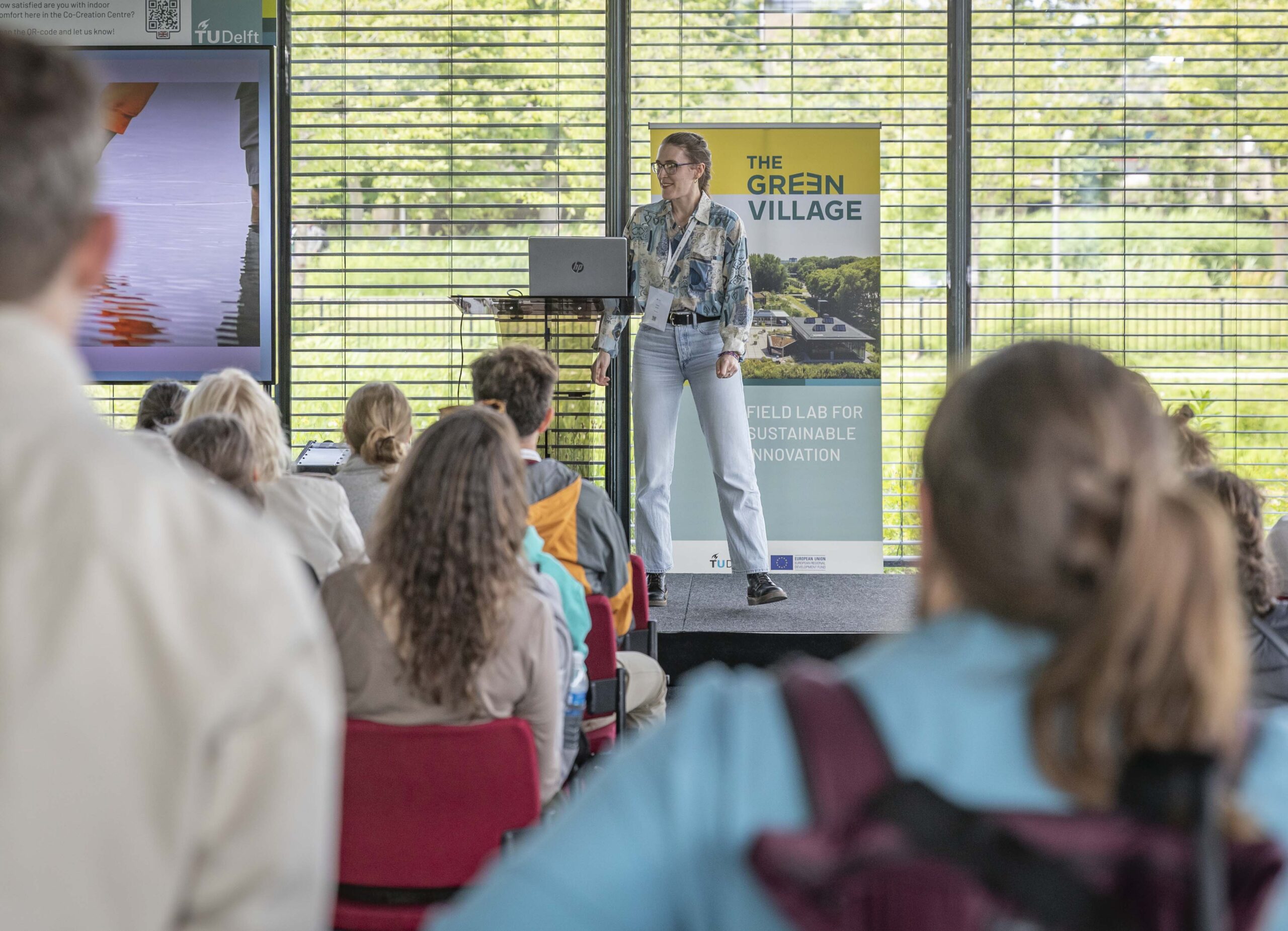
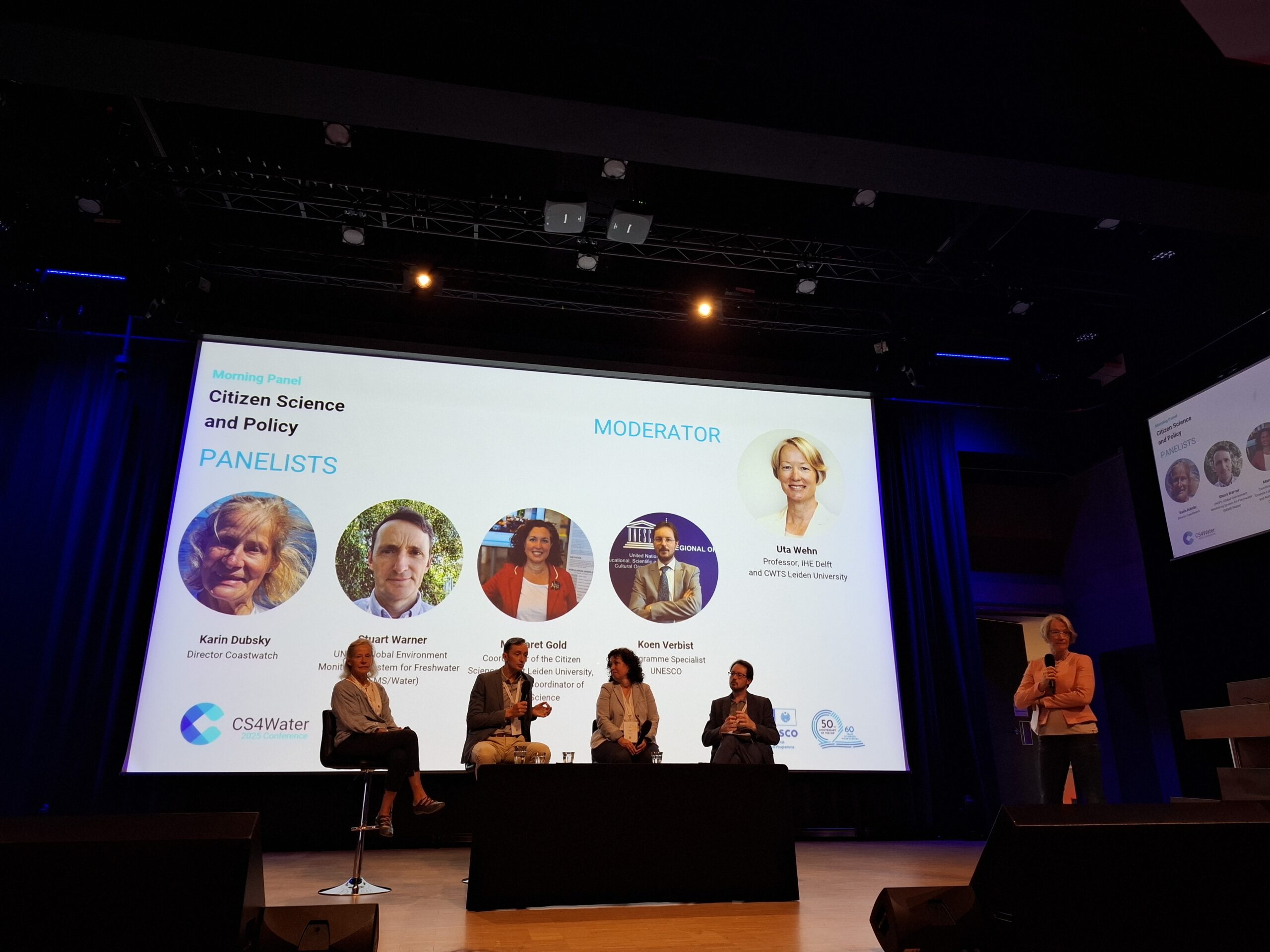
The inaugural edition in Delft, the Netherlands, established the breadth, importance, and interest in citizen science for water on the international stage. CS4Water 2027 in Cape Town will take a deeper dive, focusing on elevating knowledge from the Global South, integrating citizen science into education, embracing digital innovation to enhance citizen science data systems, and increasing trust in citizen science within governance systems for policy adoption and enhancement.
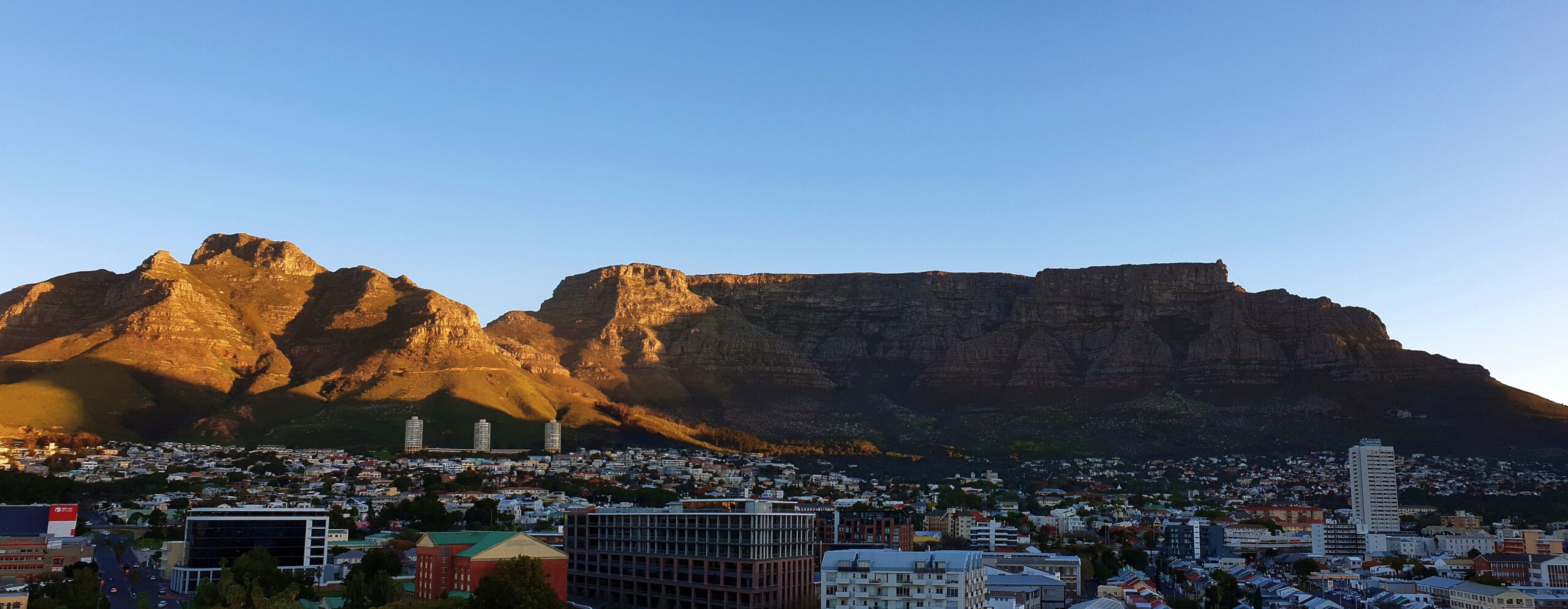
Southern Africa and the wider continent hold strong current momentum on this focus, making Cape Town a perfect destination to gather, share, and drive progress. Cape Town is also more than a venue; it is a living landscape of innovation in inclusive water management. The city’s famous response to its Day Zero crisis is a globally relevant case study in urban water resilience, quality and quantity regulation, and participatory adaptive governance.
Conference themes
Each submission selects the one conference theme it most closely addresses. Select a theme below to read more.
1. Citizen science for water in the Global South
Showcasing citizen science within freshwater monitoring and management through a Global South lens.
2. Water, digital innovation, and AI
Digital innovation and artificial intelligence (AI) for good in the realms of citizen science for water, exploring how emerging technologies can integrate with citizen science to improve freshwater monitoring and management.
3. Education and citizen science for water
Addressing the potential of citizen science for water to enhance youth participation in the water commons and drive innovation in upskilling, as well as the widespread need for integration of citizen science into formal and informal education.
4. The next generation of citizen science for water practitioners
Strengthening or reimagining the role of young people in citizen science for water, exploring how young people can take on roles as leaders, innovators, and changemakers.
5. Empowerment and traditional knowledge systems
Illustrating citizen science for water as a vehicle for community empowerment, and exploring how traditional and local knowledge systems can deepen understanding and accelerate more inclusive, locally driven water monitoring and management.
6. Co-creating resilient landscapes and communities
Advancing citizen science for water as a mechanism for supporting ecosystem stewardship, enhancing our long-term understanding of landscapes, and strengthening community resilience to climate change and water security pressures.
7. Transformative changes in multi-level governance
Exploring ways in which citizen science for water can help to strengthen trust, credibility, and accountability, and enable the transformative changes required to embed citizen science for water in formal decision-making processes and systems locally and globally.
8. Sustainable programme operation and funding solutions
Developing, discussing, and showcasing models for sustainable citizen science for water programmes and tools, looking at how we can co-create solutions that overcome common finance, partner support, participation, and short-term project limitations.
Contribution types
We aim for a dynamic and engaging programme, with formats designed to protect discussion time. We encourage submissions across all contribution types and we welcome innovative ideas that reach beyond them.
Paper and dialogue oral presentation
15 minutes
A 15-minute oral presentation of research findings, programme experience, or practice insights in a themed session followed by facilitated dialogue.
Poster
A0 portrait; 90-minute evening poster sessions
Share research and work more suitable for less formal, more interactive and concise presentation and discussion (for example, early-stage research). Posters are displayed alongside the exhibition, and 90-minute evening poster sessions invite one-to-one discussion and feedback from delegates who share your interests.
Workshop
90 minutes
Lead hands-on development of a method, tool, skill, or collaborative outcome. Workshops should engage participants actively through exercises, demonstrations, or collaborative problem-solving.
World café
90 minutes
Host a structured group discussion on an open question in citizen science for water, drawing on the collective experience of participants to generate shared insights and next steps.
Field excursion
Format and duration by arrangement
Propose an excursion that engages delegates with the citizen science for water landscape of Cape Town and its surroundings. Excursions are led by the proposers and ticketed and charged separately, so proposals should include the estimated maximum number of attendees and the cost per person.
Special interaction
90 minutes
Propose any format outside the structures above, such as practitioner-led or community-led sessions, interactive forums, artistic or practical demonstrations, or competitions. If your proposal is accepted, you will organise and deliver the interaction.
Want to exhibit at CS4Water 2027?
Organisations wishing to exhibit can submit an expression of interest through the call by selecting “Exhibition stand” as the contribution type. Exhibition booths in the glass hall are confirmed through sponsorship; we will send you the sponsorship prospectus.
Key dates
31 October 2026
Call for contributions opens
14 December 2026
Submission deadline
1 February 2027
Decisions issued and early bird registration opens
5 March 2027
Early bird registration closes
3 May 2027
Registration deadline for presenting authors and contribution leads
29 June to 1 July 2027
CS4Water Conference 2027
Accepted submissions are not a confirmation of inclusion in the programme.
Presenting authors and contribution leads must register by 3 May 2027 to guarantee their place in the programme. Contributions whose presenting author or lead has not registered by 8 June 2027 will be removed from the programme.
Format guidance and instructions for contributors will follow acceptance.
Please note: the conference offers no travel grants, accommodation support, or per diems. Reduced registration fees apply for delegates based in the Global South, students, and practitioners, with all fees published when registration opens.
Submit your contribution
Submissions open on 31 October 2026 through the conference submission platform. Each person may submit up to three contributions as the lead coordinator or presenter and be listed as a non-presenting co-author on up to five more. The conference will run in English, and all submissions must be in English. For questions about the call or about a contribution idea, contact us at info@cs4water.net.

Designed with WordPress